AGRICULTURE
The pilot farms, learn simple techniques for a healthy development
The Agronomists and Veterinarians of CAO live in the villages and listen to the farmers. The can then propose improvements with superior performance. Small farmers cannot afford to produce less nor do they like high risks. In the villages capital is scarce and usually the ROI, the return on investment is 100%. However CAO has a long term view and only proposes solutions in harmony with the environment, which are inexpensive and replicable without the project.
The best trainers are in fact fellow-farmers, who share with their peers, better than a technician from outside the village! With this in mind CAO uses the pilot farmers as models and trainers. First we help them to test new techniques, then they teach and advise other villagers. Small farm meetings are organized at the request of the villagers, usually 10-20 farmers gather around the pilot farmer. This concrete talk, very practical, farmers argue and are not intimidated as they can be with an agronomist with a university degree.
SOME EXAMPLES
A. Nets instead of fertilizers and pesticides
When a family has only a small plot of land to produce food, every harvest is essential for their survival. As a result, many farmers apply excessive amounts of pesticides and chemical fertilizers, believing that “more is better” and provides greater protection for their crops. However, this practice increases production costs, harms the environment, and can pose risks to human health.
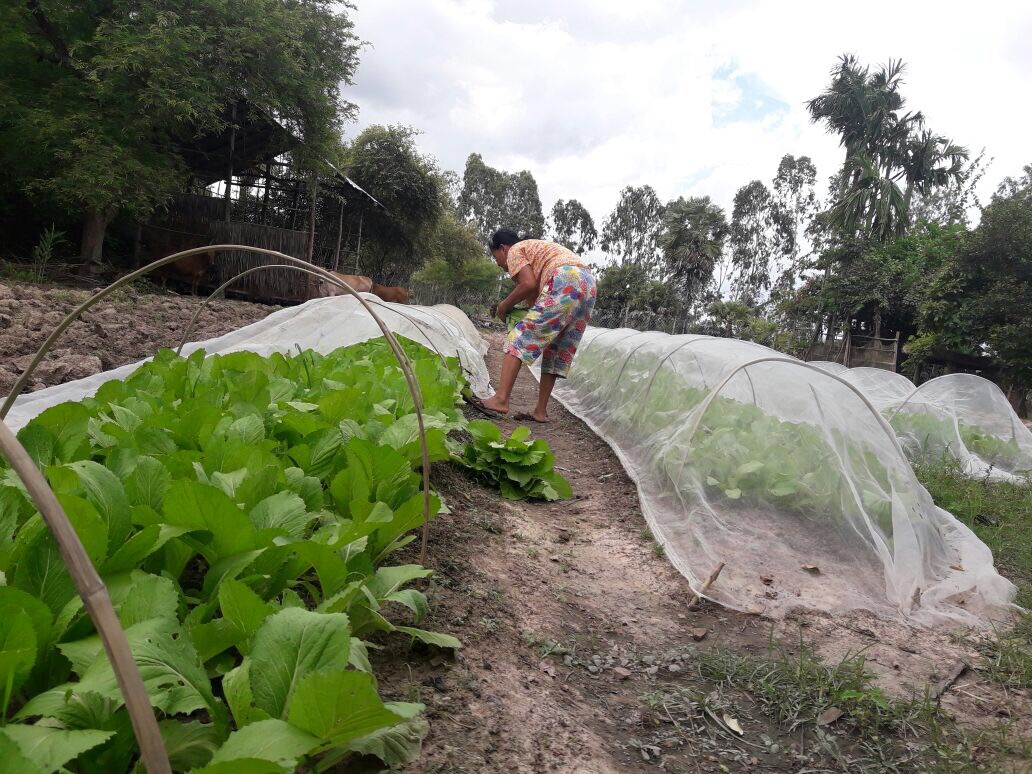
CAO promotes a more effective and affordable solution by introducing protective net houses for vegetable production. The nets protect crops from insect pests and heavy monsoon rains, reducing the need for chemical pesticides. This enables farmers to grow vegetables throughout the year, even during seasons when traditional farming is difficult. By lowering chemical use and extending the growing season, farmers can reduce costs, increase yields, improve food safety, and earn a more stable income.
B. Dry litters
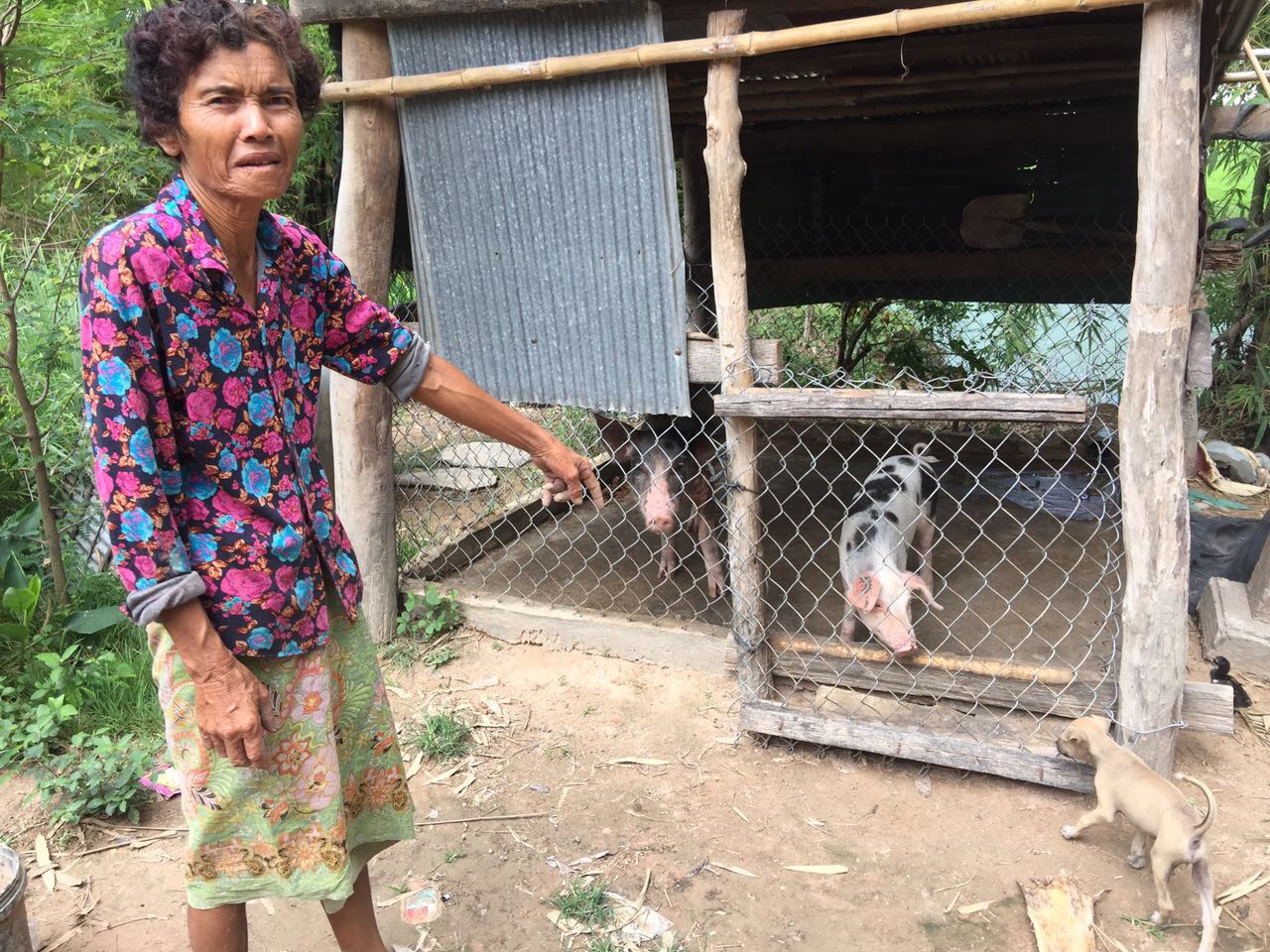
One solution to reduce the impact of pollution from the excrements from livestock is the dry litter. This serves as natural fertilizer to adjacent crops. With this technique the farmer puts a layer of rice bran treated with Trichoderma* in the pig or poultry stall. This makes them save time and water. When they sell their animals, the litter is an excellent compost.
* Trichoderma is an organic fungus; it makes the roots more resistant to stress and disease; it is also a cheap organic accelerator that prevents disease.
C. Animal Bank (Cow, Pig and Chicken)
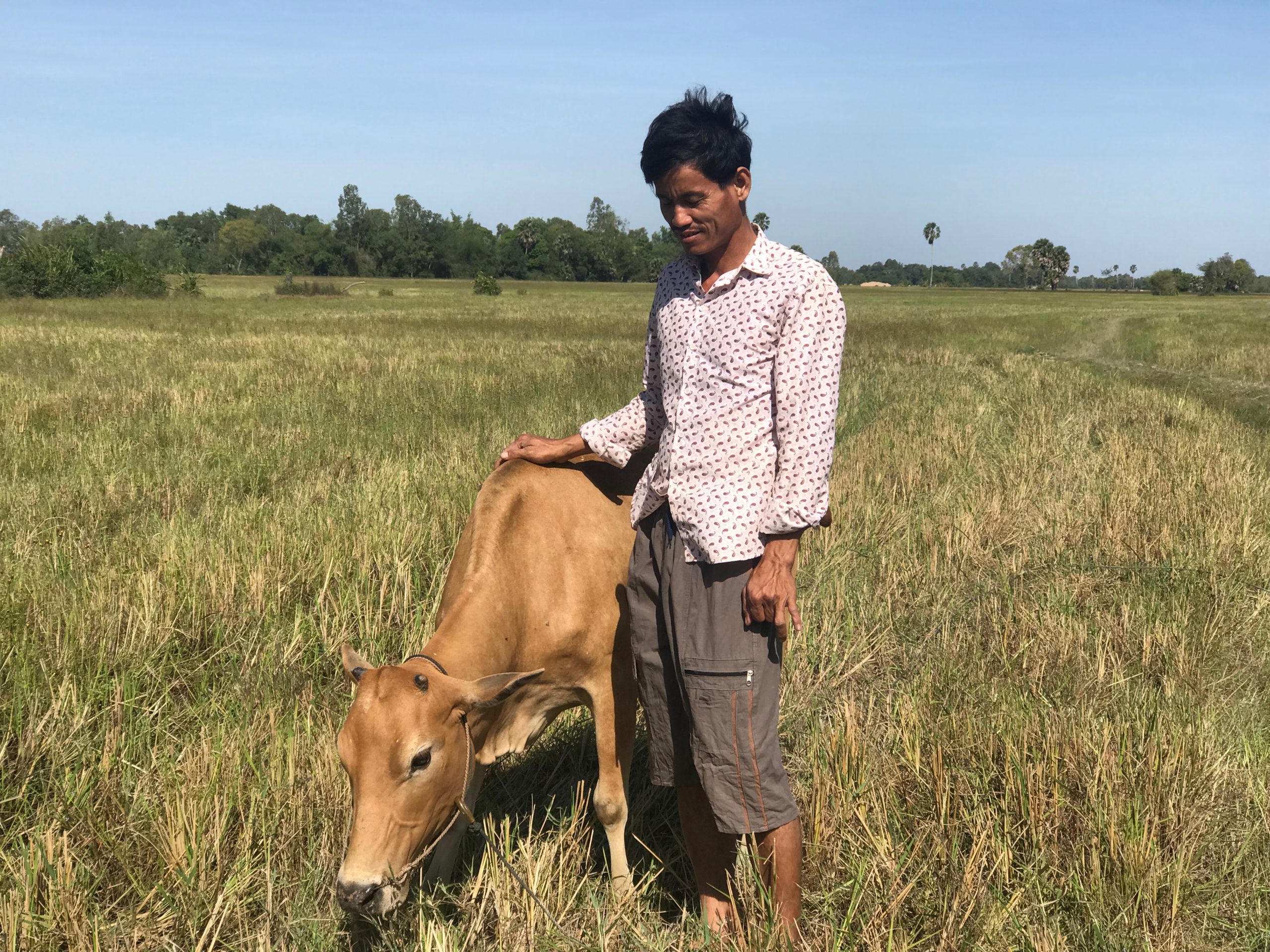
In Cambodia, cows have traditionally played an important role in rice farming. Farmers raise cows to plow paddy fields, transport harvested rice from the fields, and provide cow dung, which is an excellent natural fertilizer for crops. Cattle also serve as a valuable source of income, as farmers can sell calves to local traders after they are born.
However, the cost of purchasing a cow is around US$400, which is beyond the financial capacity of many poor families. To address this challenge, the Community Advancement Organization (CAO) established the Animal Bank program. CAO organizes groups of poor farming families and provides each selected household with one or two female cows. When a cow gives birth, the first calf is passed on to another member of the group, allowing more vulnerable families to benefit from the program while creating a sustainable cycle of support.
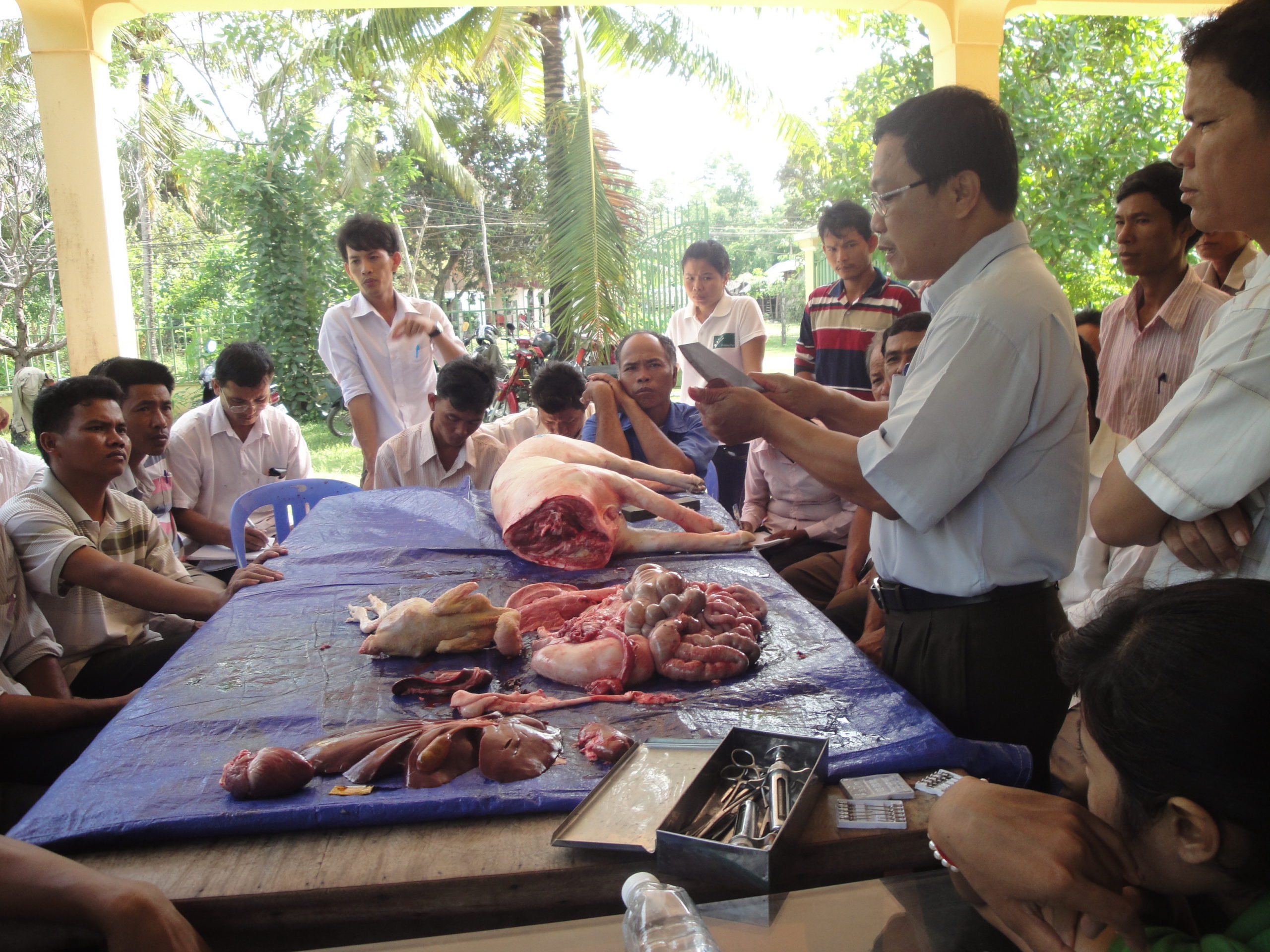
D. Refresh Village Livestock Agency (VLA), Train by Technician
Service of veterinary of livestock at village is very import, they live closed with poor farmer so know clearly about farmer’s animals and go fast when the farmer’ animals have any problems.COA refresh every semester to VLA to share the problems, solution and update technique.
E. Develop with own resources
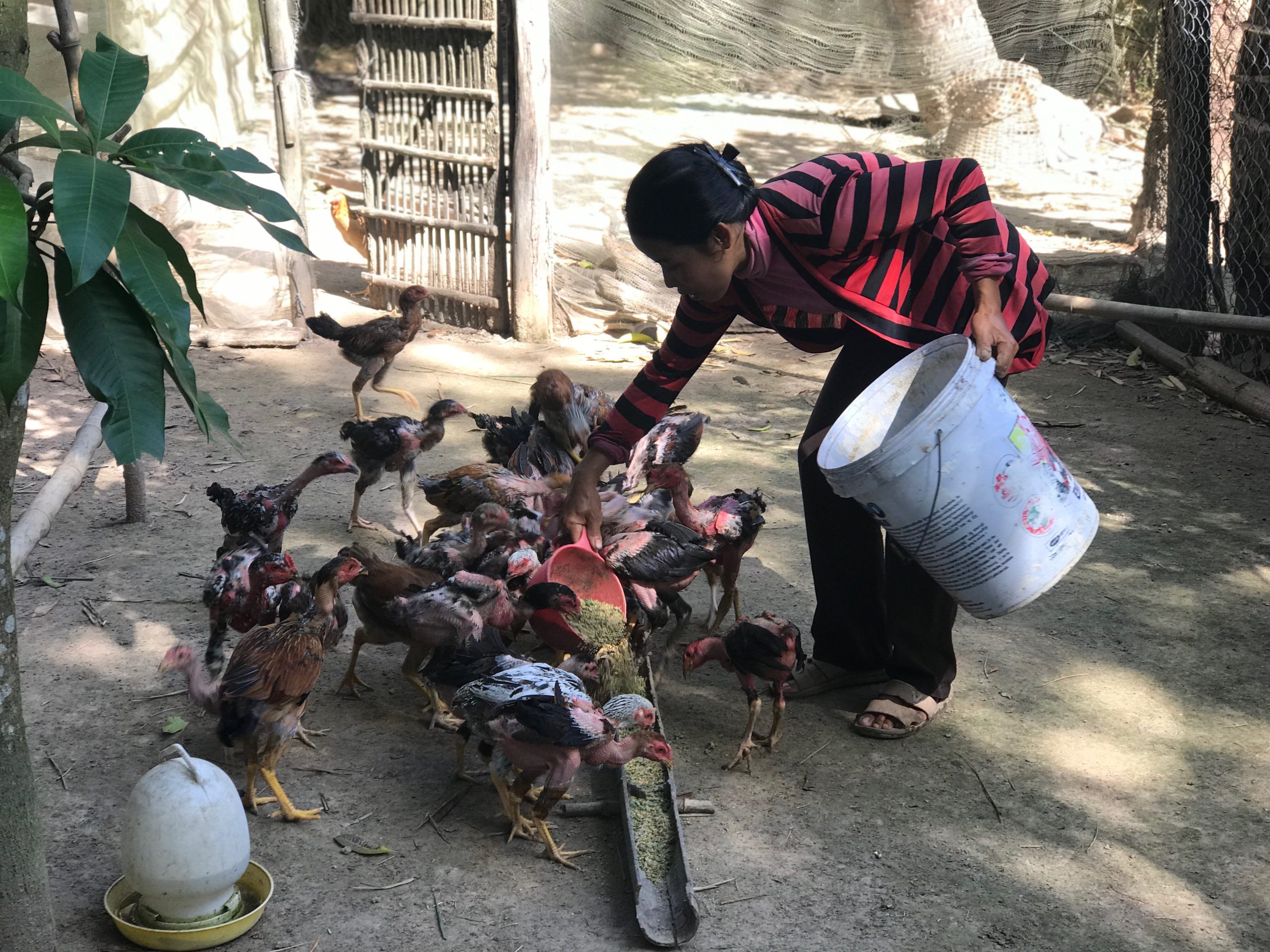
CAO provides technical training, vaccination support, regular coaching, and guidance to help farmers make the best use of the resources available around their homes. Farmers are trained to produce low-cost animal feed using locally available materials such as rice bran, vegetables, leftover rice, corn, earthworms, and a small amount of commercial feed. This approach provides adequate nutrition for chickens, pigs, and fish while reducing production costs. As a result, farmers can raise livestock more efficiently, earn higher profits, and start or expand their businesses with minimal investment.